The Creator → Builder Bridge
How to stop chasing new ideas and start training the skills that actually matter

The purpose of this post is to help creators stop chasing new ideas and start training the specific business skills required to turn existing work into leverage.
I learned this by getting it wrong first.
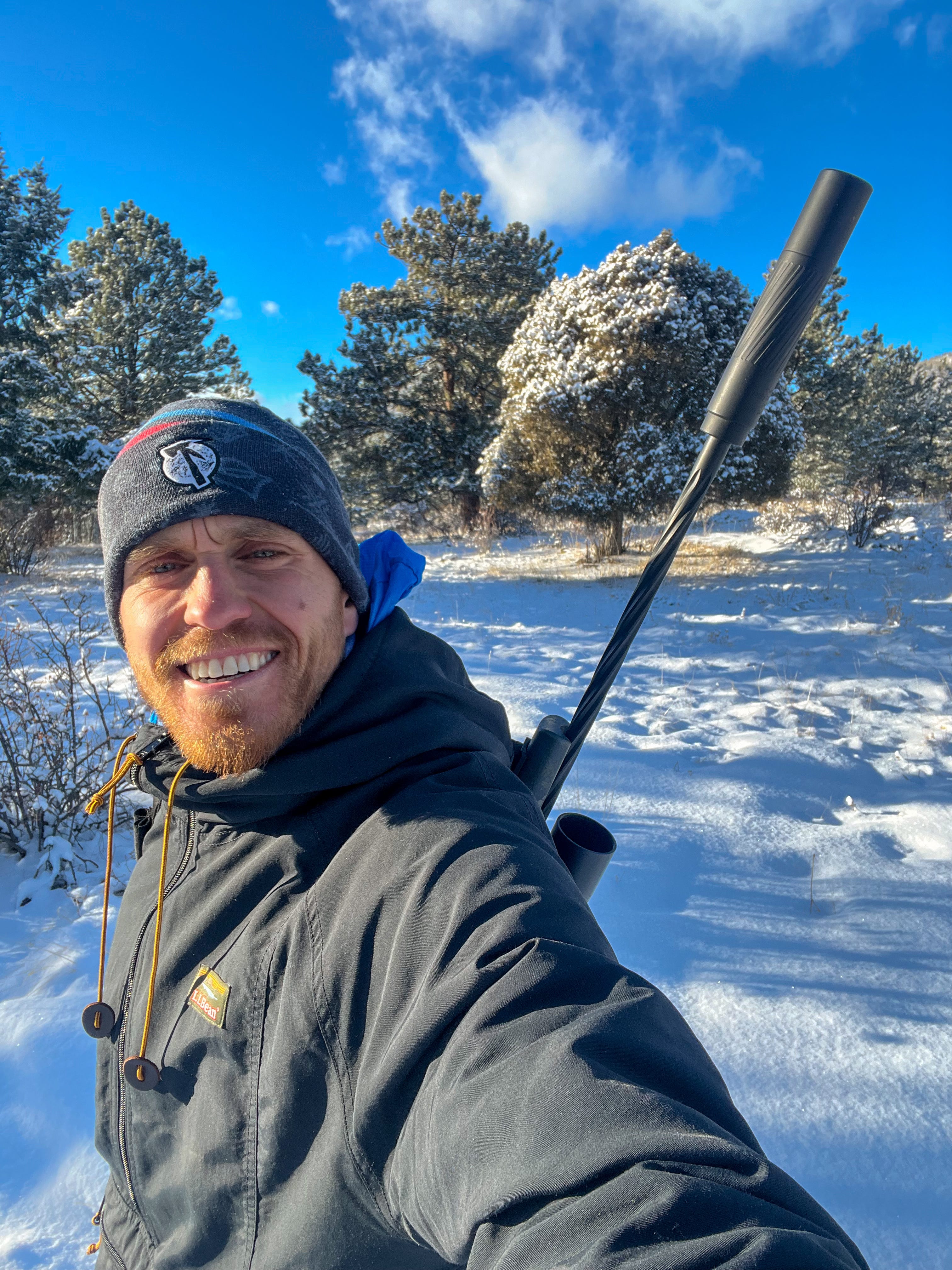
Last year, I decided to learn how to hunt.
I also briefly convinced myself it could become a business.
I didn’t grow up hunting. No family tradition. No built-in knowledge.
Just years of consuming Cam Hanes content and a growing interest in sourcing my own meat.
Luckily, I became family friends with a guy who’s obsessed with hunting. He does it the “old school” way and had real interest in teaching people like me.
This wasn’t about booking an elk hunt, paying a few thousand dollars, and being driven around on ATVs.
It started with land conservation. Understanding animal migration patterns. Seasonal rhythms. Habitat.
Real Teddy Roosevelt stuff.
I was hooked.
We spent a lot of time one-on-one.
Classroom learning first. Then time at the range. Then trips to the gun store.
I went to hunter safety school, got my license, and within weeks I was tip-toe sprinting through the woods, holding my breath, trying to cut off a buck that had just vanished over a ridge.
It was the exact interest-to-experience arc I’d dreamed of.
And along the way, something else happened.
We felt momentum.
We realized there were other guys like me. Men who were interested in hunting but didn’t grow up around it. No on-ramp. No clear path in.
It felt aligned with everything else I was already building around endurance, outdoor adventure, self-reliance, and growth.
So naturally, I thought:
Maybe this could become something more.
We planned to turn my experience into a repeatable three-day retreat. Something we could generate revenue from.
In my head, this was going to be one of those “of course this works” ideas.
I told myself I was prepared.
I already host events. I organize in-person experiences. I’ve seen what works and what doesn’t.
But I made a familiar mistake.
I assumed adjacent experience meant transferable leverage.
When Alignment Isn’t Enough
The idea was simple on paper.
A three-day experience:
Day 1: classroom fundamentals
Day 2: range work
Day 3: a guided duck hunt
An on-ramp for beginners. Education, experience, confidence.
We even ran a no-cost Day 1 with two local guys. And it was great.
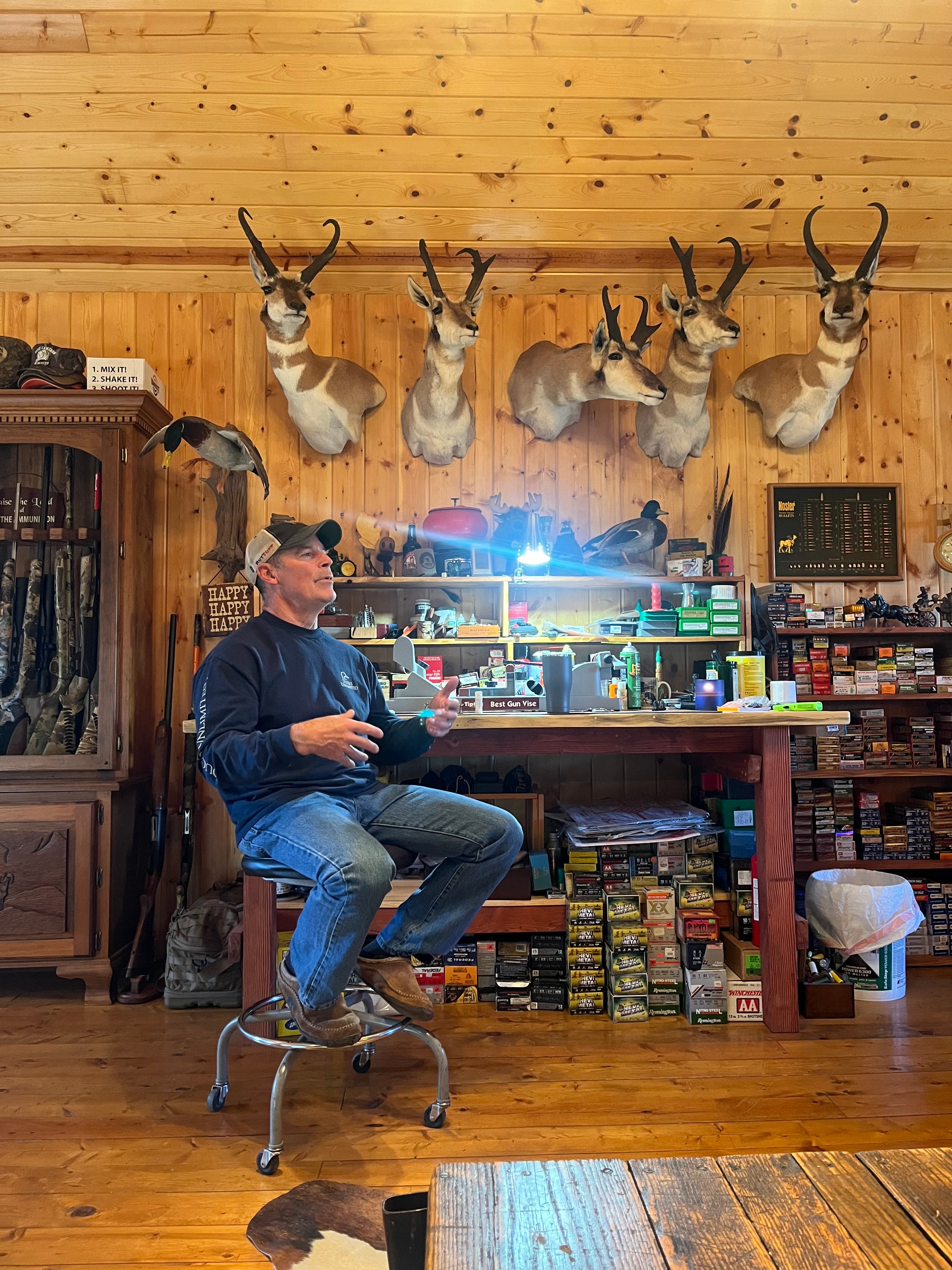
Then reality showed up.
Scheduling became messy. Coordinating multiple days was hard. Getting people to commit early was harder.
Facilitating the experience felt natural.
Marketing, selling, and planning it required far more attention than I expected.
And that’s when it clicked.
Just because something is aligned doesn’t mean it’s easy to turn into a business.
I wasn’t failing at hunting. I was succeeding at learning it.
What failed was my assumption that curiosity and momentum would naturally turn into a clean, revenue-generating offer.
I confused curiosity and momentum with a viable revenue stream.
What the Experience Became Instead
Once I stopped trying to force it into a business, the experience made sense again.
It became:
A personal frontier
A credibility builder
A story I could share honestly
Proof that I keep stepping into new things, even as a beginner
It didn’t need to carry revenue. It didn’t need to become a core offer. It didn’t need to scale.
It strengthened the main thing instead of becoming the main thing.
That distinction matters more than it sounds.
Not everything interesting in your life is supposed to become a product.
The Pattern I See Everywhere
That pattern shows up everywhere.
I’ve been working through something similar recently with a client who’s been creating consistently and is now on the brink of building revenue around the value he brings.
He has real interest in monetizing his work.
He’s built a strong creative foundation. He publishes. He has readers and listeners who resonate deeply with his message.
But like many creators, he’s hit a familiar plateau.
Not because he lacks creativity. Not because he needs more content.
But because the next constraint isn’t creative anymore.
It’s business.
More specifically, it’s internet business - where followers and views feel like progress until you try to turn them into something real.
This is the game I’ve been playing for the last seven years.
I’ve watched people build momentum, stall, pivot, and start over - usually blaming the idea, the platform, or the timing.
It’s almost never that.
I know because I did the same thing.
Here’s what’s actually happening.
The Creator → Builder Bridge
I started using a simple exercise I now call The Creator → Builder Bridge.
The goal isn’t to rush into monetization or force an offer.
It’s to take inventory.
Step 1: Creative Skill Inventory
List all the creative skills you’ve built since you started publishing online.
For example:
Writing (short and long form).
Solo podcasting. Guest interviews.
Filming. Editing. Publishing. (YouTube, Reels, One-Take Videos)
Storytelling. Turning everyday experiences into lessons.
Most people underestimate how much they’ve already trained here.
If you want to be precise, break this down by format or platform. But don’t overthink it.
Step 2: Group the Skills
Now group those skills into four buckets:
Expression — clarifying what you think and believe
Distribution — consistently getting your work out
Audience Building — turning attention into real relationships
Authority Signaling — earning trust through experience and process
If you’ve been creating at all, you probably have strength in all four.
That’s not the issue.
Step 3: Business Skill Inventory
Next, list the skills you’ve built around actually creating and selling something:
Identifying a problem worth paying for
Packaging a clear solution
Pricing
Finishing and shipping an offer
Making a direct ask
Handling rejection or no response
Enrolling people
Running a program
Getting feedback and improving the process
For many creators, this list is short. Or empty.
That doesn’t make you a failure. But it does explain why things feel stuck.
And why a new creative path suddenly looks so appealing.
Side note (worth noticing):
Once you see this, you’ll start noticing how many people online have impressive followings but little real business behind them.
Their content gets engagement. Their audience looks big.
In endurance spaces, they post solid race results and look like an authority.
But behind the scenes, there’s no book of clients.
No repeat customers. No real-world experience serving and working with others.
Here’s what I’ve learned:
Be careful chasing someone else’s creative success if your actual goal is business.
One well-trained business skill can leapfrog years of content momentum in the metrics that actually matter.
Why This Gap Matters
Shipping creative work feels terrifying in the beginning.
You worry about judgment. About sounding dumb. About people you know in real life discovering the strange things you suddenly care about online.
Eventually, you get over that.
Business skills are the next wall.
They make you vulnerable. You have to ask. You will hear “no.”
Sometimes that sucks.
But you know what’s worse?
Wanting more freedom, more revenue, more leverage - and telling yourself the answer is a new creative mission.
It isn’t.
You need online business skills.
Lower the Bar, Raise the Execution
The answer isn’t to suddenly become “salesy” or overhaul everything.
It’s to get into real conversations with people who are already interested in your work and explore how you can actually help them.
Lower the bar on what building needs to look like.
Raise the execution on serving real people.
What my hunting experience taught me is this:
Not every aligned interest needs to become a business.
Sometimes the work isn’t creating something new.
It’s sharpening the skills required to support and grow what’s already working.
A Question Worth Sitting With
If you’re publishing online and want your work to generate income, ask yourself:
Am I building things that look good and feel productive?
Or am I connecting with real people and helping solve real problems?
One feels good. The other creates impact.
You don’t need to fix it today.
But seeing that difference clearly is how you start crossing the bridge.